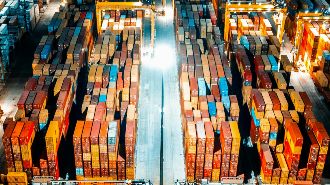
An expert editorial explainer on the quiet industry powering global trade.
International freight forwarders rarely make the news, but almost every item that crosses a national border—electronics, pharmaceuticals, raw materials, retail goods—relies on them. In a trading environment defined by tight regulations, volatile schedules, and vast distances, freight forwarders are the specialists who keep shipments moving. Their role is especially critical in countries like Australia, where trade relationships span the Asia-Pacific, Europe, and North America.
This article breaks down what international freight forwarders actually do and why their work is essential to global supply chains.
They Design and Coordinate the Entire Journey of Cargo
Freight forwarders function as architects of movement. They plan the full journey of goods from the factory or warehouse to their final overseas destination.
Their responsibilities include:
booking space with shipping lines or airlines
planning multimodal transport (air–road, sea–road, rail–sea)
managing pick-up and final delivery at both origin and destination
coordinating with carriers to match transit times and inventory needs
ensuring documents and cargo details meet international standards
In practice, they work directly with global operators such as Maersk, MSC, CMA CGM, Qantas Freight, DHL Global Forwarding, and Singapore Airlines Cargo.
They Act as the Central Connector in the Supply Chain
International logistics involves many different players—exporters, importers, port authorities, airline cargo divisions, trucking companies, customs brokers, terminal operators, and warehousing providers.
Freight forwarders serve as the central point of coordination among all these entities. They ensure everyone is aligned, documents are complete, and cargo details are accurate.
They Prepare and Manage Key Trade Documentation
Documentation is one of the most crucial aspects of international shipping. Even a minor mistake can delay cargo for days or trigger costly inspections.
Forwarders prepare and verify essential documents such as:
These documents must follow guidelines set by bodies like the World Customs Organization (WCO) and comply with country-specific import and export regulations.
They Manage Customs Clearance with Licensed Brokers
Many forwarders work closely with licensed customs brokers—in Australia, brokers operate under the authority of the Australian Border Force (ABF). Together, they handle:
HS Code classification
duty and GST calculation
Integrated Cargo System (ICS) declarations
DAFF Biosecurity compliance
quarantine and inspection requirements
import permit verification
Forwarders help ensure shipments meet all regulatory requirements, reducing the risk of holds or penalties.
They Advise on Costs, Risks, and International Logistics Strategy
A freight forwarder is also a consultant. They help importers and exporters understand:
cost differences between air, sea, LCL, and FCL
the risks of moving high-value or fragile cargo
how Incoterms affect responsibility and liability
whether certain trade routes face congestion or delays
options for consolidating shipments to reduce cost
This guidance is crucial for businesses entering new markets or scaling their operations.
They Arrange Cargo Insurance to Protect Shipments
The journey from factory to destination involves risk—storms, handling damage, theft, and accidents. Freight forwarders help businesses secure cargo insurance through marine insurers and underwriters.
Common coverage types include:
Institute Cargo Clauses (A, B, C)
All-Risk Policies
War and Strike Clauses
High-Value Cargo Coverage
This protection is essential for importers and exporters managing global shipments.
They Provide Value-Added Logistics Services
Modern freight forwarders extend beyond transport and customs. Many offer additional services such as:
warehousing and distribution
container packing and unpacking
cross-docking
temperature-controlled logistics
project cargo management
dangerous goods handling
e-commerce fulfillment
real-time tracking powered by IoT and digital freight platforms
Technology is transforming the role of forwarders, with tools like digital booking systems, cargo visibility platforms, blockchain documentation, and predictive analytics enhancing their capabilities.
They Enable Global Trade
Without freight forwarders, global commerce would slow to a crawl. The regulatory environment, documentation requirements, and logistics complexity would overwhelm most businesses. Forwarders streamline the entire process, providing the expertise needed to move goods safely, legally, and efficiently across borders.
As trade networks grow and technology reshapes supply chains, the role of international freight forwarders is becoming even more important.